
Just as access to clean water allows a person to have better health outcomes and grow, access to intelligence is likewise important for a person to thrive and grow. Intelligence, like clean water, is a fundamental building block of a a well-functioning society. But what exactly do I mean by "intelligence" in this context? Let's define it as a combination of quality education, access to information, and the ability to think critically and apply knowledge effectively.
The Historical Hoarding of Intelligence
Throughout history, the distribution of intelligence has often been restricted, sometimes intentionally. Those in power – be they nations or upper social classes – have at times limited access to education and information. This wasn't always due to malice; sometimes, it was simply a result of scarce resources or technological limitations. Regardless of the reasons, the result was the same: intelligence, like clean water, didn't flow freely to all.
Developed nations often take this "clean water" of intelligence for granted. However, in many parts of the world, including Myanmar, this vital flow is obstructed.
Myanmar's Intelligence Drought
Myanmar today faces numerous socioeconomic challenges, many of which stem from a lack of widely available, high-quality intelligence. This manifests in several ways:
Economic stagnation: Without access to global knowledge and best practices, businesses struggle to innovate and compete in the international market.
Social issues: Limited access to quality education, particularly in rural areas, perpetuates cycles of poverty and constrains individual potential.
Governance instability: Decision-making is often based on incomplete information or outdated ideologies, leading to suboptimal policies.
The Evolution of Intelligence Distribution
Just as we've developed better ways to distribute water over time, we've also improved our methods of distributing intelligence:
Ancient Scrolls (Carrying Buckets): In ancient times, knowledge was transported like water in buckets. Egyptian papyrus scrolls and parchments were the first "pipes" of knowledge – limited but revolutionary for their time.
The Printing Press (The Well): As we evolved, we developed "wells" of knowledge. The printing press allowed for wider distribution, but access was still limited by literacy rates, book costs, and logistical issues.
The Internet (The Water Pump): The internet revolution acted like a global water pump for information. In just a few decades, it accelerated the flow of knowledge, driving progress in countless fields.
AI: The Next Evolution in Intelligence Distribution
I believe the next great leap in intelligence distribution will come through AI, particularly personalized AI agents. Here's why AI has the potential to democratize intelligence and leapfrog development in places like Myanmar:
Personalization: AI tutors can adapt to individual learning styles and needs, providing tailored education at scale. Imagine every child in Myanmar having access to a personal tutor, available 24/7.
Breaking Language Barriers: As AI translation improves, it could give Myanmar instant access to global knowledge, regardless of the original language.
Accessibility: High-quality information and best practices could become available to anyone with a smartphone. This could be transformative in rural areas, particularly for fields like healthcare where outdated practices persist.
Economic Opportunities: AI agents could empower entrepreneurs and small business owners to compete globally with limited resources, leveling the playing field.
Leapfrogging Through Better "Pipelines"
The beauty of technological leapfrogging is that it allows countries to skip intermediate stages of development. Just as many developing nations skipped landlines and went straight to mobile phones, Myanmar could potentially leapfrog traditional educational and institutional development through AI.
For example, historically, training specialized professionals like doctors has been prohibitively expensive for many developing nations. AI-powered education could dramatically reduce these costs, making high-quality, specialized training accessible to a much broader population.
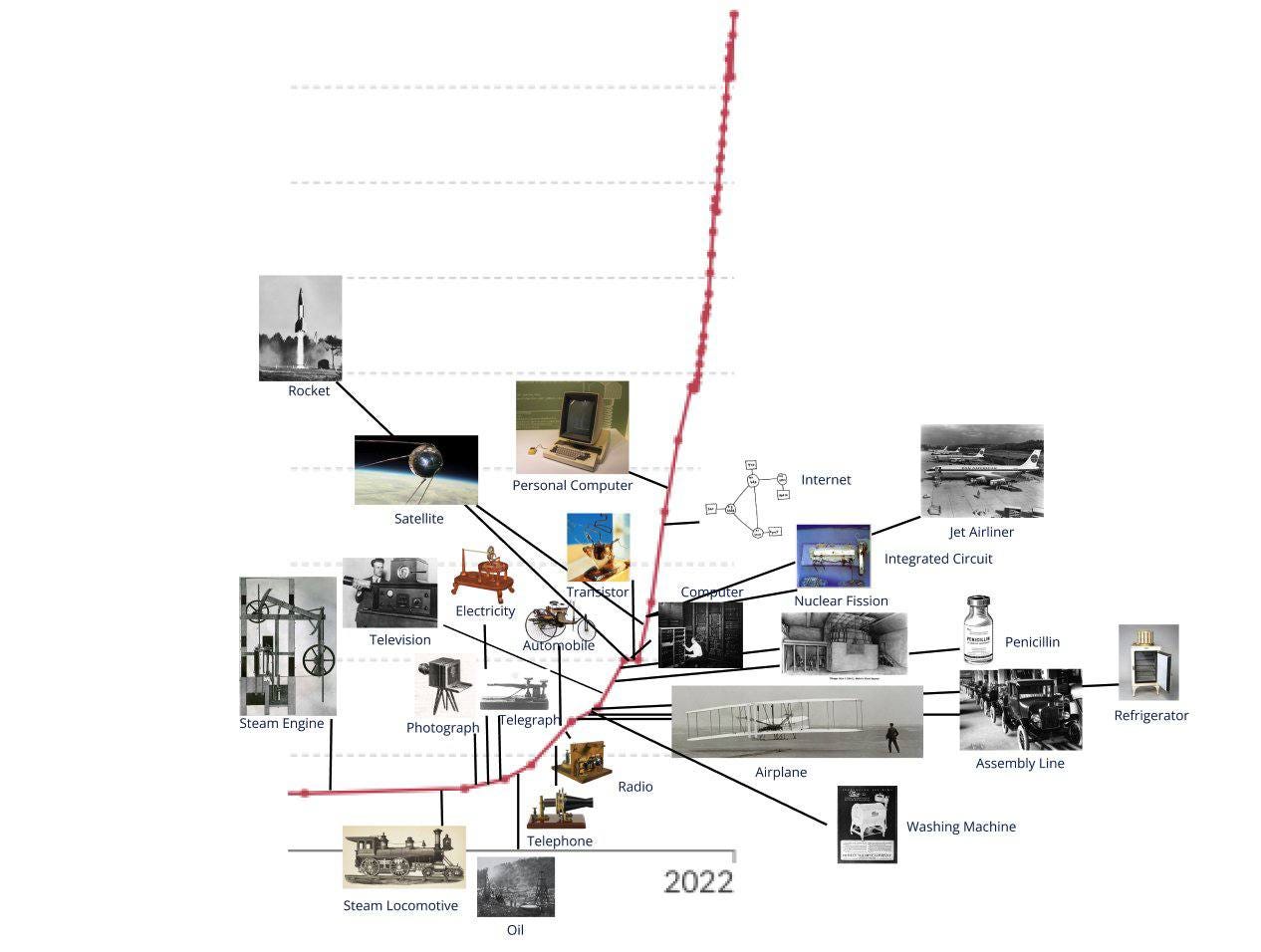
This leapfrogging could happen at an unprecedented pace. The current AI revolution is moving much faster than previous technological revolutions. What took decades with the printing press or the internet could potentially happen in years with AI.
Challenges and Considerations
While the potential is enormous, we must acknowledge the challenges:
Infrastructure: Limited physical infrastructure, including reliable electricity and internet access, remains a significant hurdle.
Digital Literacy & Cultural Adaption: Ensuring that all people can effectively use AI tools will be crucial. (We need an intuitive os model similar to the movie HER)
Sovereignty Concerns: As massive AI adoption comes, how can we insure that every person’s rights are respected whilst the information they are being fed is not biased? (These issues can carefully addressed through transparent open-source models: kudos to Mark Zuckerberg)
Conclusion
As Socrates said, "Knowledge is Virtue", Intelligence is the foundation upon which societies innovate, develop, and thrive. The distribution of intelligence, powered by new technologies like AI, is crucial for building a better future in Myanmar and around the world. By providing people with the "clean water" of intelligence, we empower them to solve their own challenges.
If a thousand smart villagers are empowered, rather than just one, they will undoubtedly find innovative solutions.
May Everyone be Well.
James